

THE BLOG
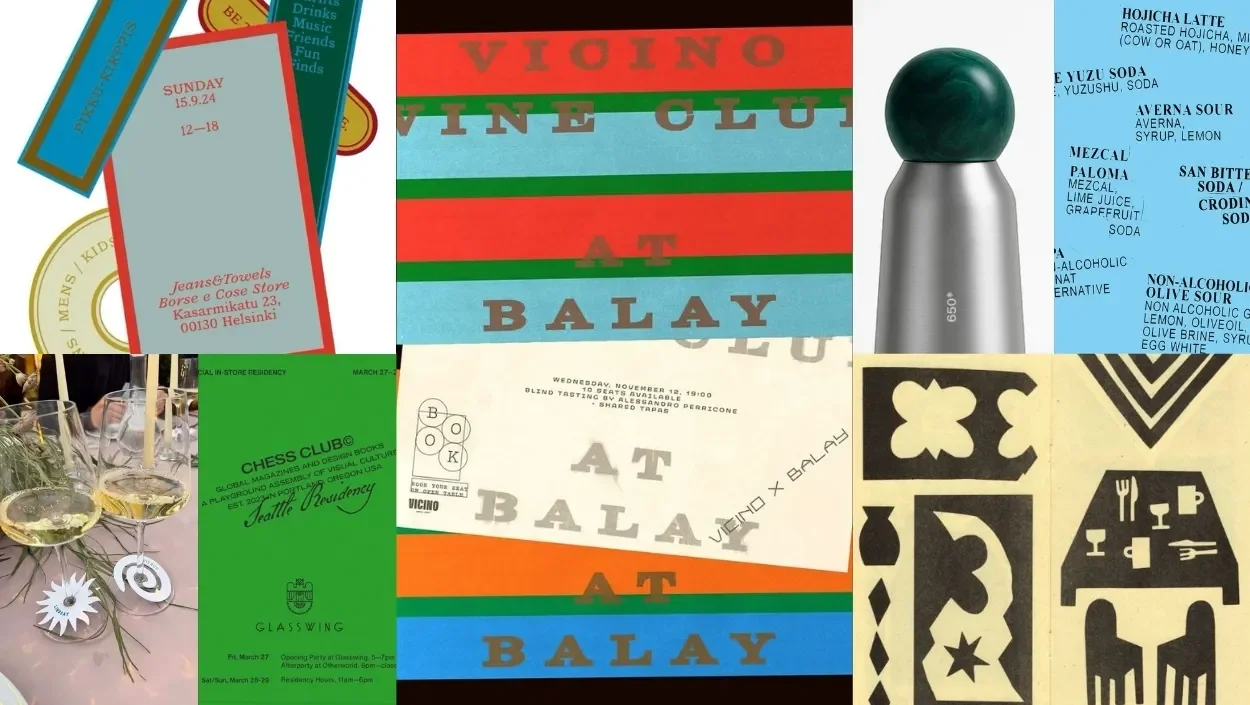
How I Structure Every Project Folder (And Why It Saves Hours)
A lesson in type A behavior for all the type B designers out there
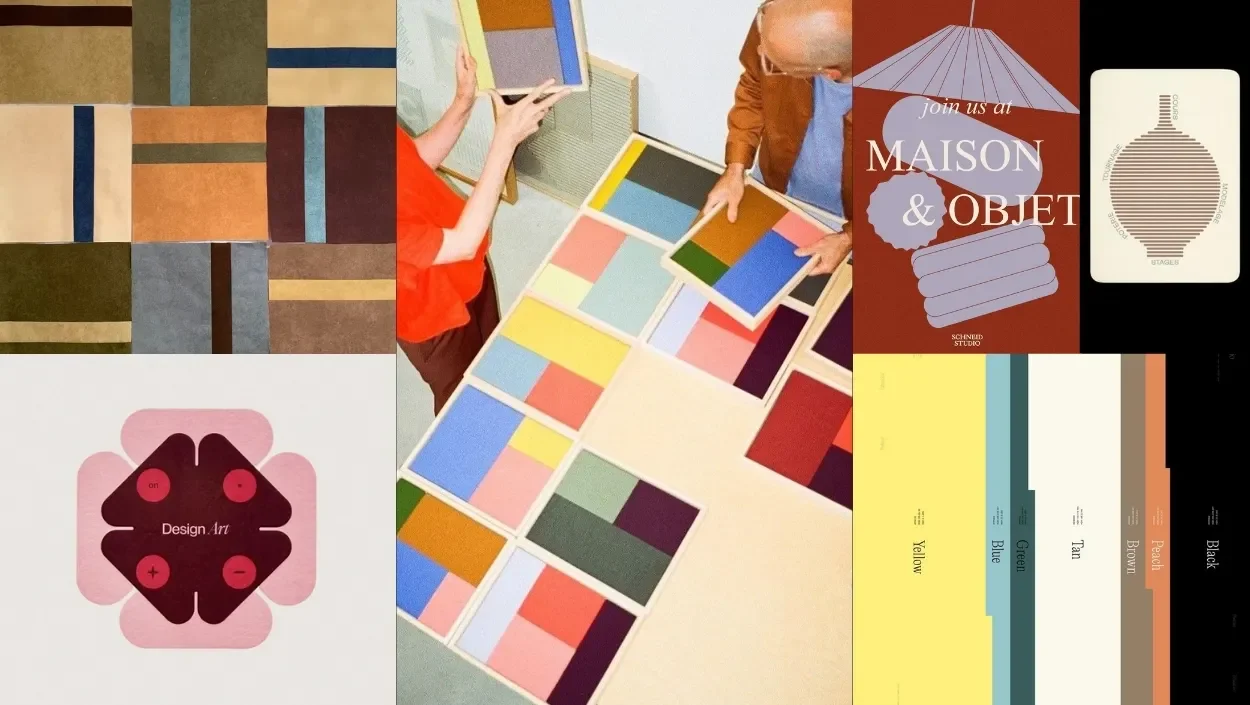
How to Use a Template Without Feeling Like A Hypocrite
On permission, plagiarism, and the myth that everything has to be made from scratch.
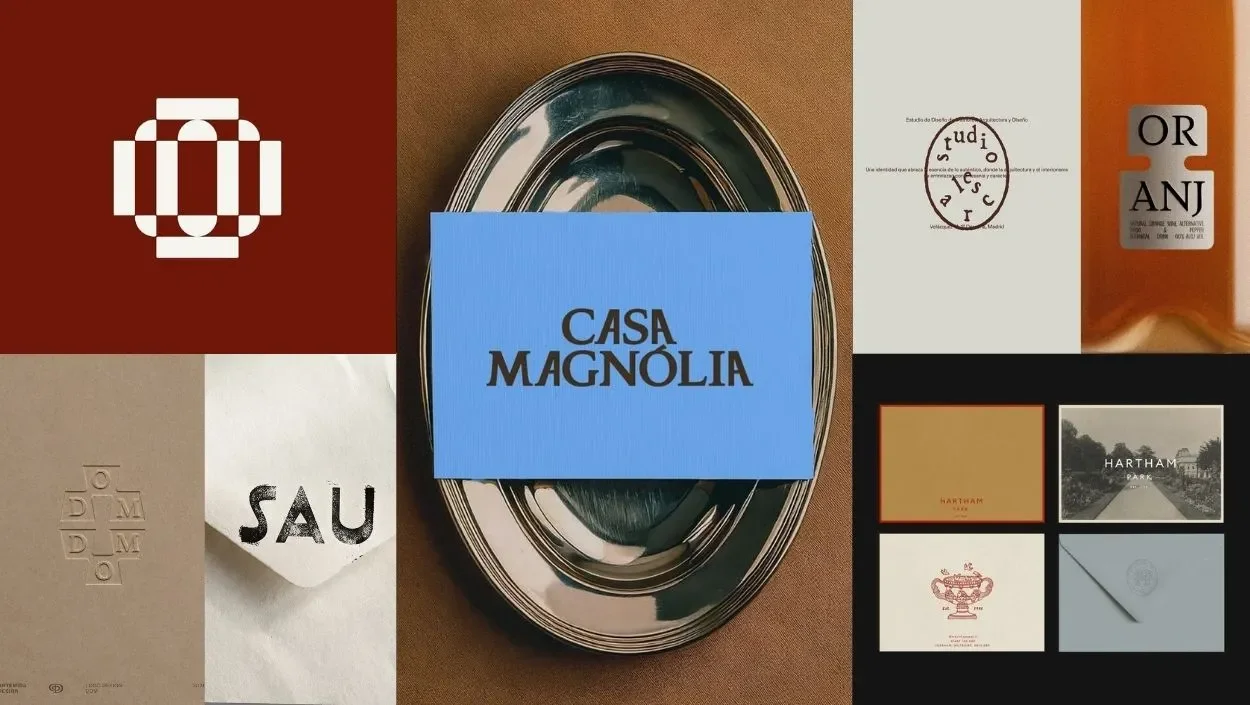
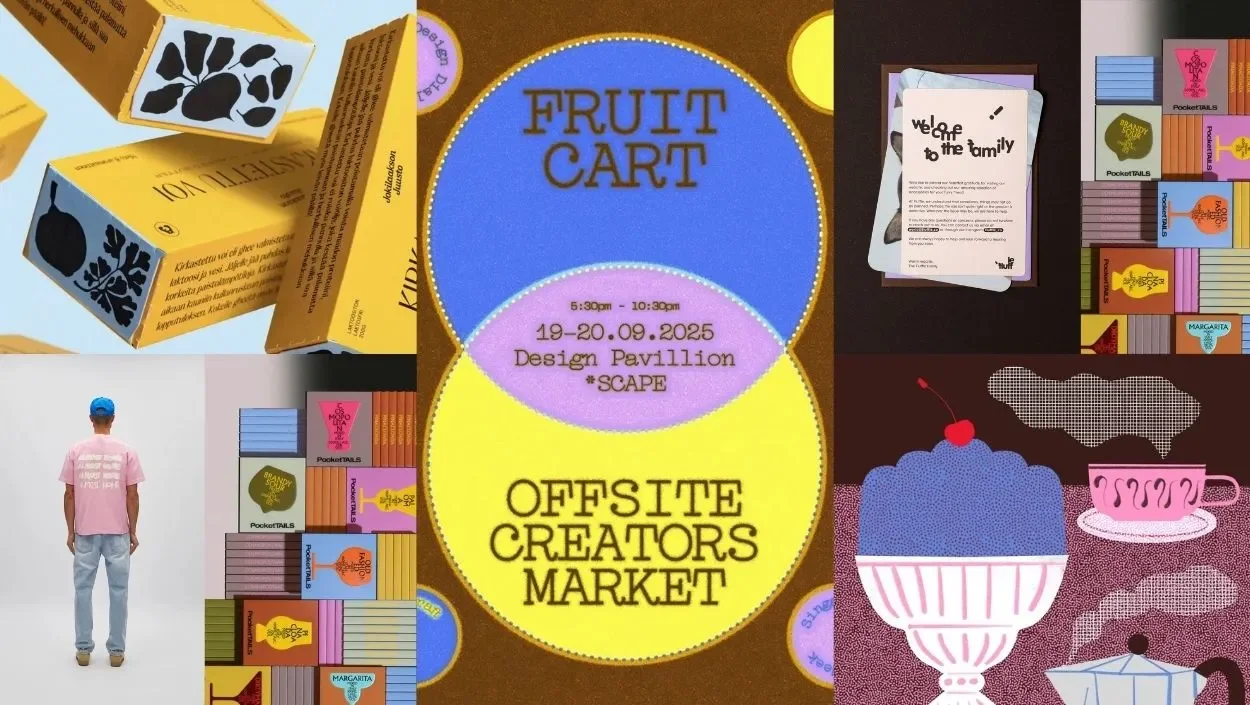
Presenting Doesn't Have to Be Scary
I'll show you how to make it feel more like a conversation than a class presentation
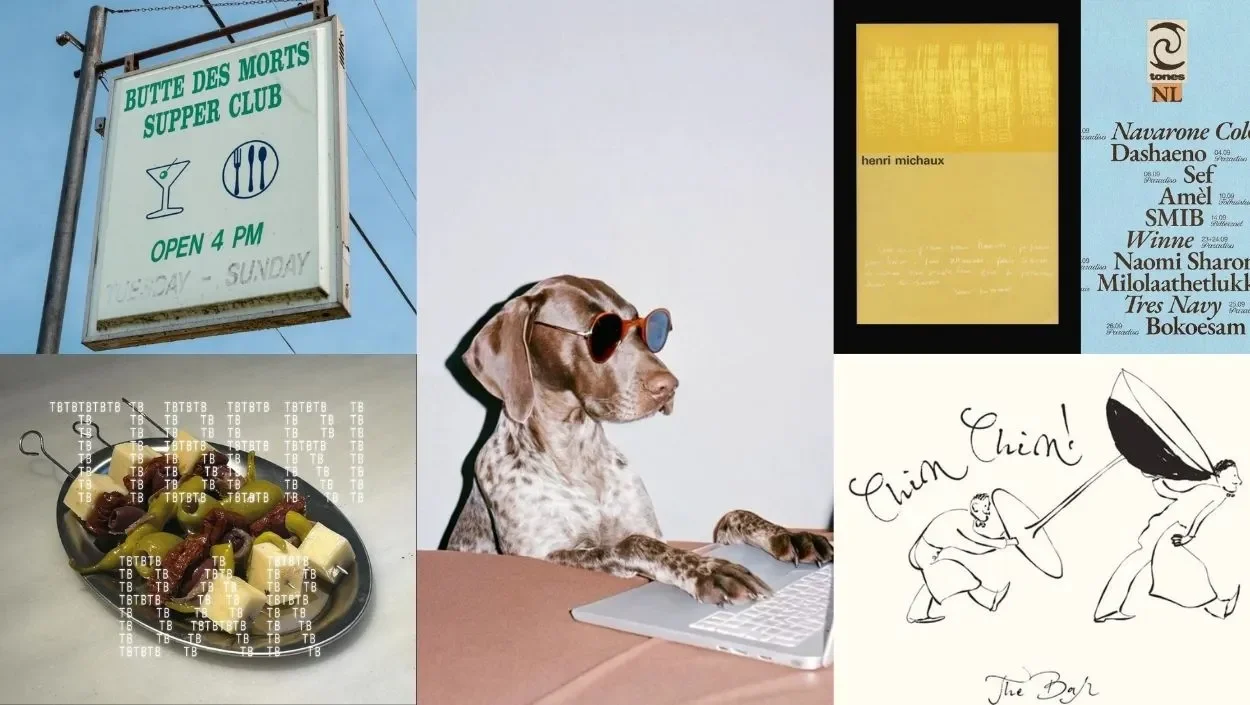

Positioning in Plain English
Where does this brand live in the market, and why does it live there instead of somewhere else?
That, my friends, is a little secret called positioning. And once you understand it, you can’t un-see it. You’ll start noticing when it’s missing in every brand you encounter. You’ll start defending your design decisions with something more solid than intuition. And your clients will feel the difference in every presentation you give them.
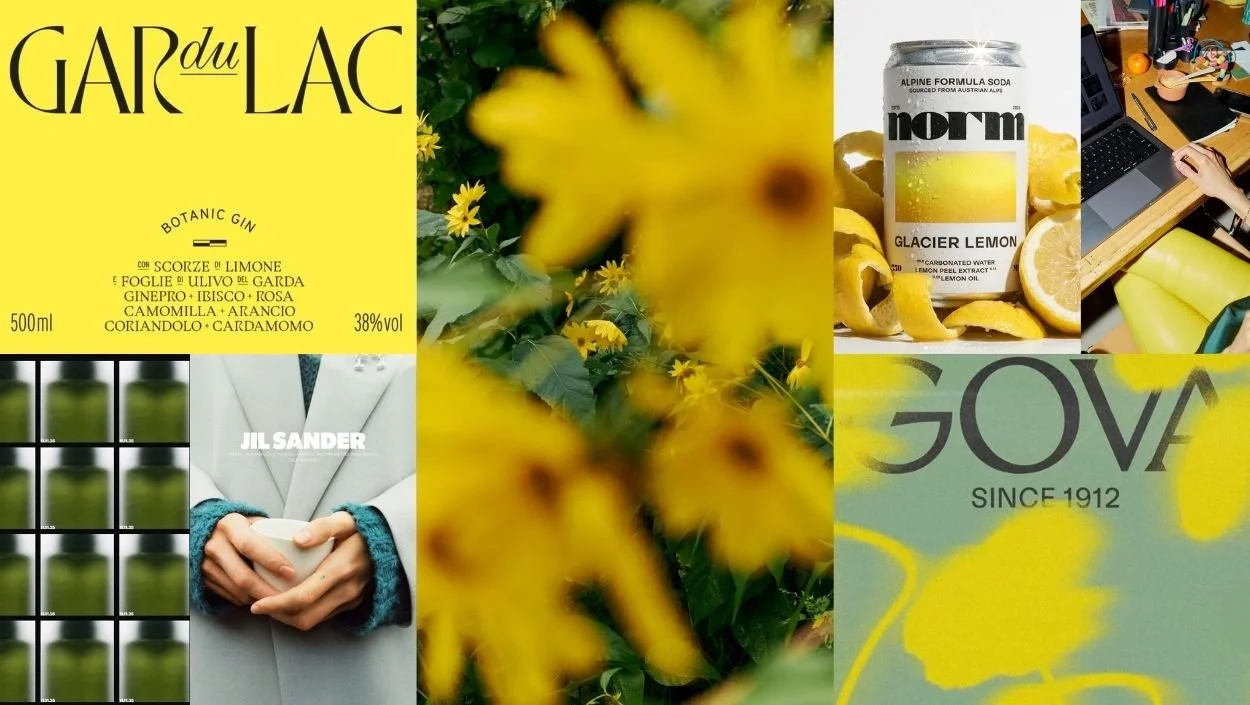
Before You Open Illustrator / Figma, You Need to Have This Conversation
Reading an intro email is a lot like seeing/stalking someone on socials before you meet them in real life: you build a whole model of who they are from curated photos and the way they project themselves. You’re pretty sure you’ve got them nailed. But then you actually talk to them, and they say something or hold themselves in a way that quietly reorganizes everything you thought you knew. Maybe they're more quirky than they let on. Maybe they told a sincere story you didn’t expect. There’s something three-dimensional and honest when you encounter them, a vulnerability that reframes the whole thing. Suddenly, the polished version and the real version are standing side by side, and the gap between them is exactly where the interesting design work lives.
That gap is what the strategy call closes. It makes the experience more human.
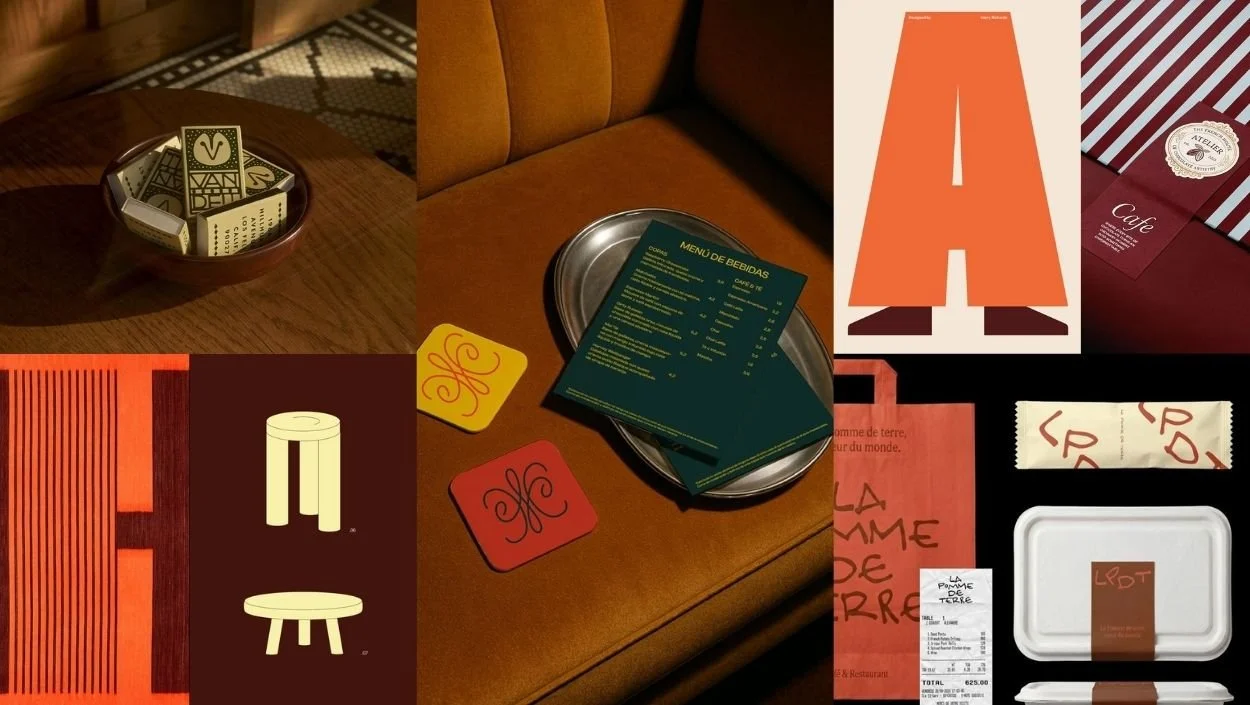
That Pinterest Board They Sent You? That's Not the Brief.
Picture this, you’ve got an email from a potential client (!!) Somehow, someone finds you. Maybe it was through a referral, or SEO, or Instagram, or a friend of a friend who swore you were the person to call. And they reach out with something like this:
Hi! I’m opening a restaurant in the spring, and I need branding. Here’s my Pinterest board (link).
Aaaand that’s the brief.
Not a lot to go off of, right? I mean, their Pinterest board might be loaded with images, but how do you know enough to actually tackle the project?
But that’s normal. They don’t know what they don’t know. They’ve never hired a brand designer before, or if they have, nobody ever told them what information is needed to get this process started.
Instead of referring to the initial client email as a brief, I prefer to see it as an invitation. The brief marks the start of the project, but the strategy session truly signals the beginning of the work.
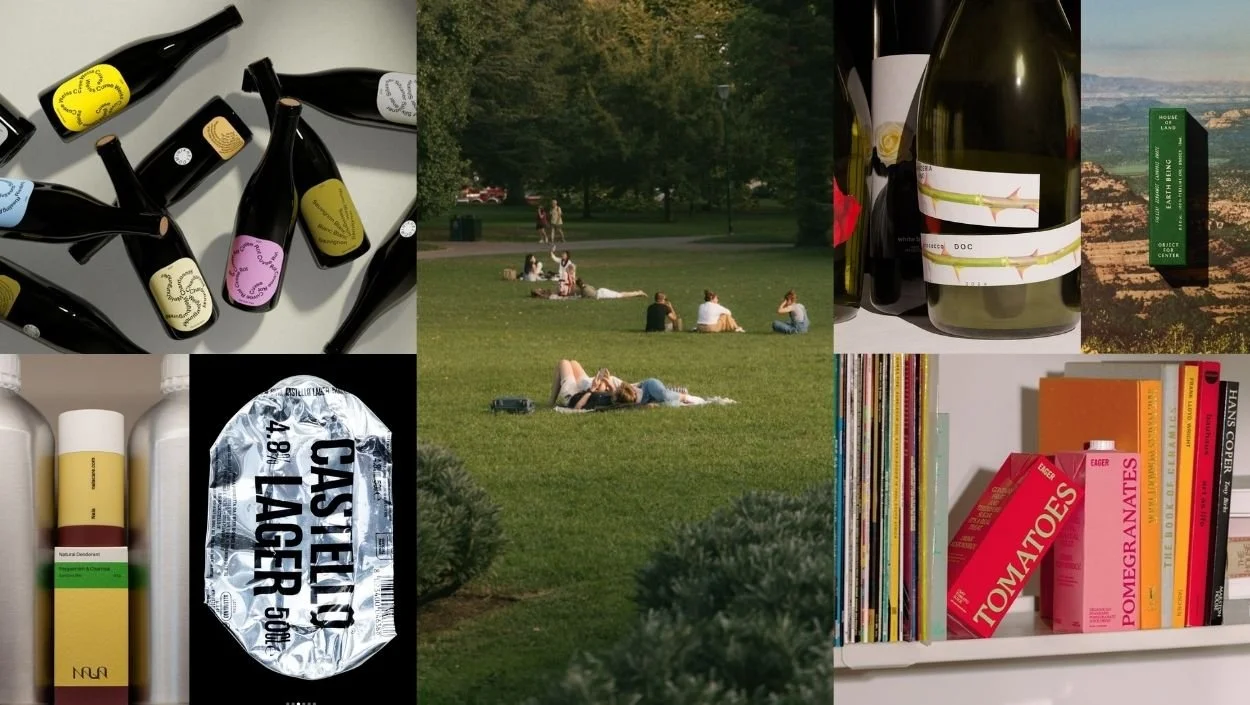
Where I Actually Find Visual Inspiration (That Isn’t Pinterest)
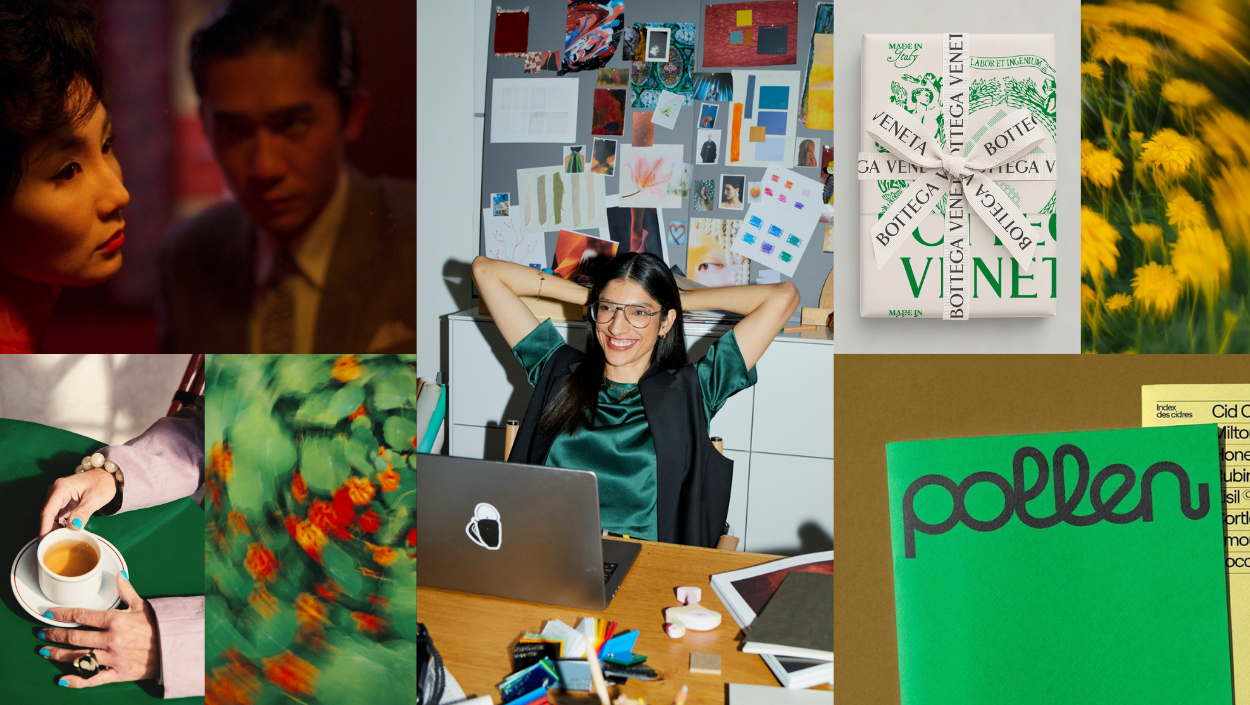
When I was growing up, my neighbor’s parents were a fine art painter and a graphic designer. I spent a lot of time in their house as a kid, perusing their bookshelves, listening to the Beatles, playing with their sculptures, eating snacks while surrounded by mid-century modern furniture and Venezuelan artifacts. During the summertime, my artist grandmother took my sisters and me to ballets, orchestras, and museums. My best friend and I practically lived at Barnes & Noble, poring over interior design and fashion magazines. As a craft, I used to collect my parents’ catalog mailers and collage Victoria’s Secret ads into Crate and Barrel living rooms on my bedroom floor.
I didn’t realize until much later that all of that was the basis of curation. ↓
Your Mood Board Might Be Lying to You
A few weeks ago, I was building a moodboard for an upcoming women's conference. The organizer had given me a single word as her creative anchor: altar. And I went all the way in. Old-world gothic imagery. Scans from a book (literally titled Celtic Tattoo Designs) that I'd been sitting on for a month, waiting for the right project. Light ceramic textures. Illuminated manuscripts. I was genuinely jazzed about where it was going.
Then I went back to my notes from the kickoff call.
She’d said, clearly, that she wanted the theme to lean modern, dark, and moody, with light accents that emulated “the flicker of hope.” What I had pulled was the opposite: old-world, distressed, all creams and parchments. No darkness. No modern tension to balance it. I had gathered a moodboard that answered the word altar the way I heard it, not the way she’d described it. ↓
The Most Valuable Skill in Design Has Nothing to Do With Design
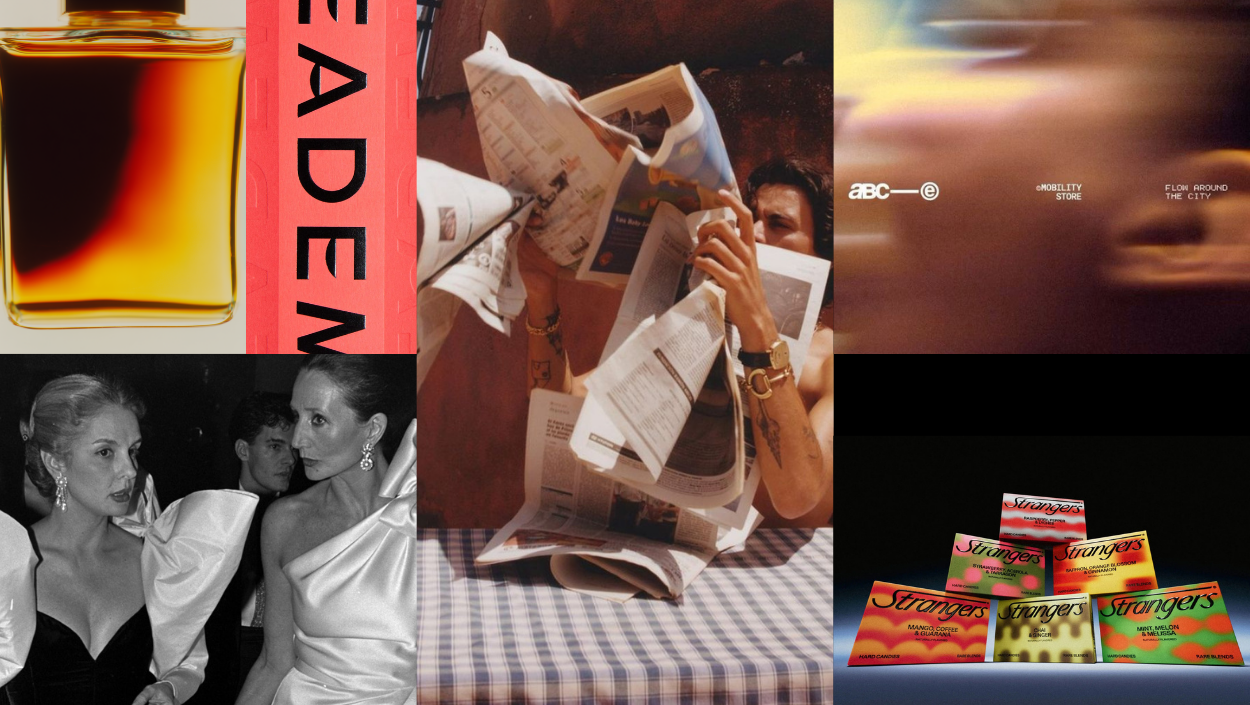
In sixth grade, I wrote a report on Carolina Herrera. I chose her because I recognized her name from the perfume bottle that lived on my grandmother’s vanity. I didn’t know anything about her or her work beyond that. While I researched, I learned something that struck me as odd: Carolina Herrera, one of the most influential fashion designers of the twentieth century, does not know how to sew.
I remember that genuinely confusing me. How do you call yourself a designer if you don’t actually make the designs? The whole thing seemed like a technicality, like calling yourself a chef when someone else is doing the cooking. It seemed wrong…And yet, she is considered one of the most celebrated fashion designers. ↓
Finding Your Design POV
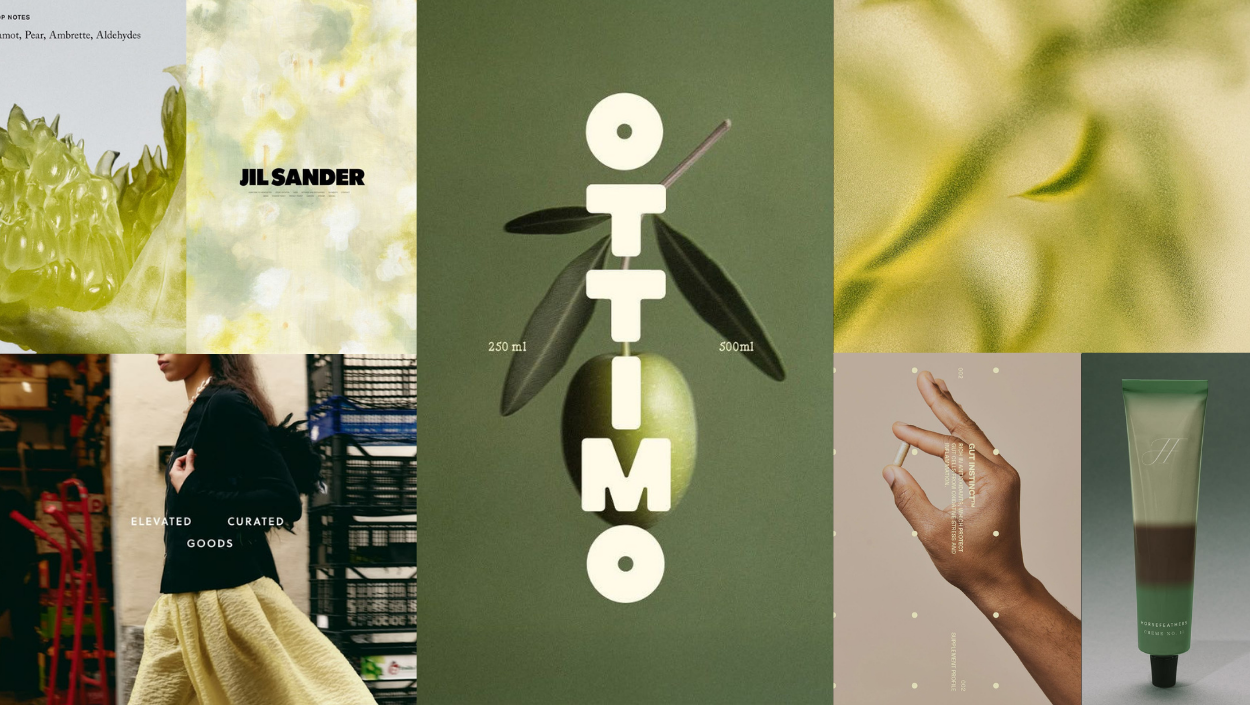
We are all following a bunch of designers on Instagram whose work is instantly recognizable the second you see it during your scroll time. If you go to their grid, it’s like a curated brand in and of itself. They’ve got the look, that je ne sais quoi, that sprezzatura, that it factor. You may not be able to put a finger on what it is, per se, but it’s a unified POV.
And then, naturally, you might wonder, “Do I have that??”↓
Arrive with Less
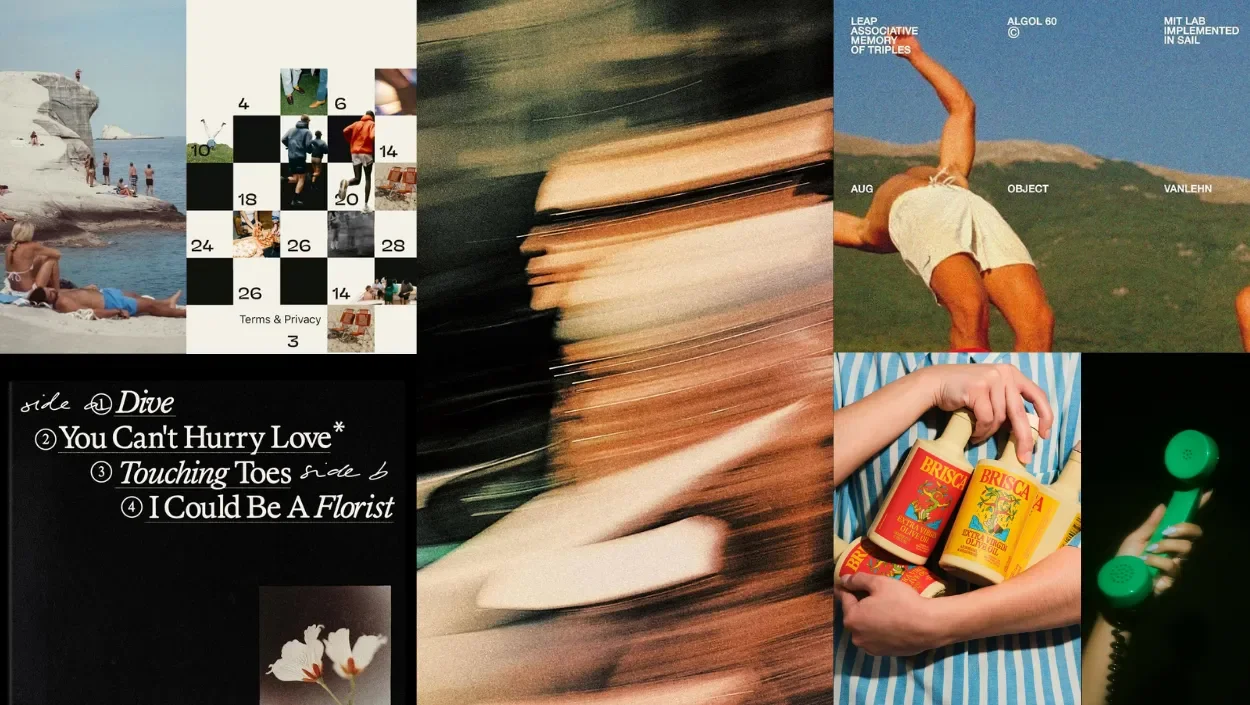
At the end of my senior year, I got to go to Greece for six weeks. I was so pumped. It was my first trip abroad, and I daydreamed about all the aesthetic photos I could get for my IG.
To know what to pack, I did what I’m sure most of us do: I built Pinterest boards, scoured travel blogs, and Googled “What to wear in Greece in summer.” I packed my suitcase to the brim with floaty linen shirts, cotton shorts, and sandals. I was ready to have my European summer.
Then I landed. Everyone wore jeans...even in the height of summer. They sported crisp white Reeboks or Nikes, with not a single open-toe shoe in sight. The outfits I’d been re-pinning didn’t match how people actually lived there.
Three weeks in, I went shopping, tired of sticking out, embarrassed by how confidently off-base I’d been.
I packed wrong because I “researched”. ↓
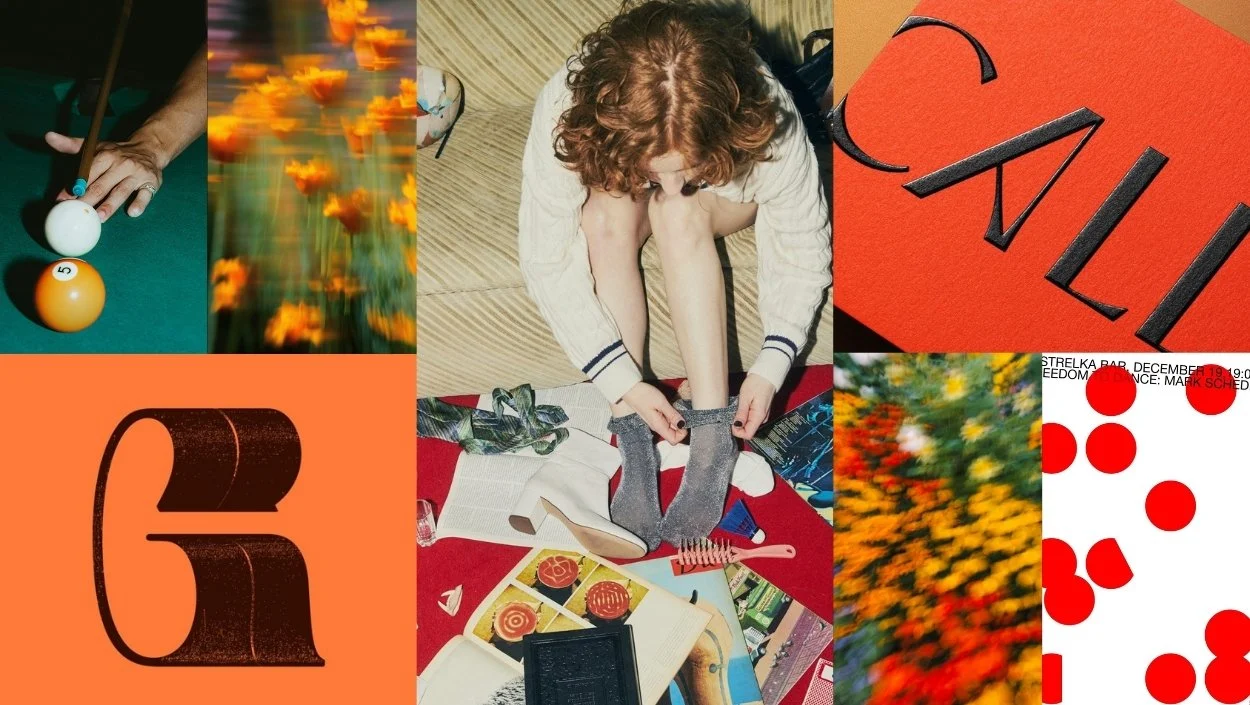
The Difference Between a Designer and a Strategic Designer
There's a version of this job where you open the brief, make something beautiful, and send it over. The client loves it.
And then nothing happens. The rebrand doesn't move the needle. The website launches, and conversions don't shift. The campaign runs, and nobody feels anything.
Your work was beautiful, but it needed a stronger strategy.
A non-strategic designer reads a brief and starts pulling fonts. A strategic designer reads it and starts asking questions. Because the brief is someone's best attempt at describing the problem. Those are two very different things.
Here's what changes when strategy comes first. ↓
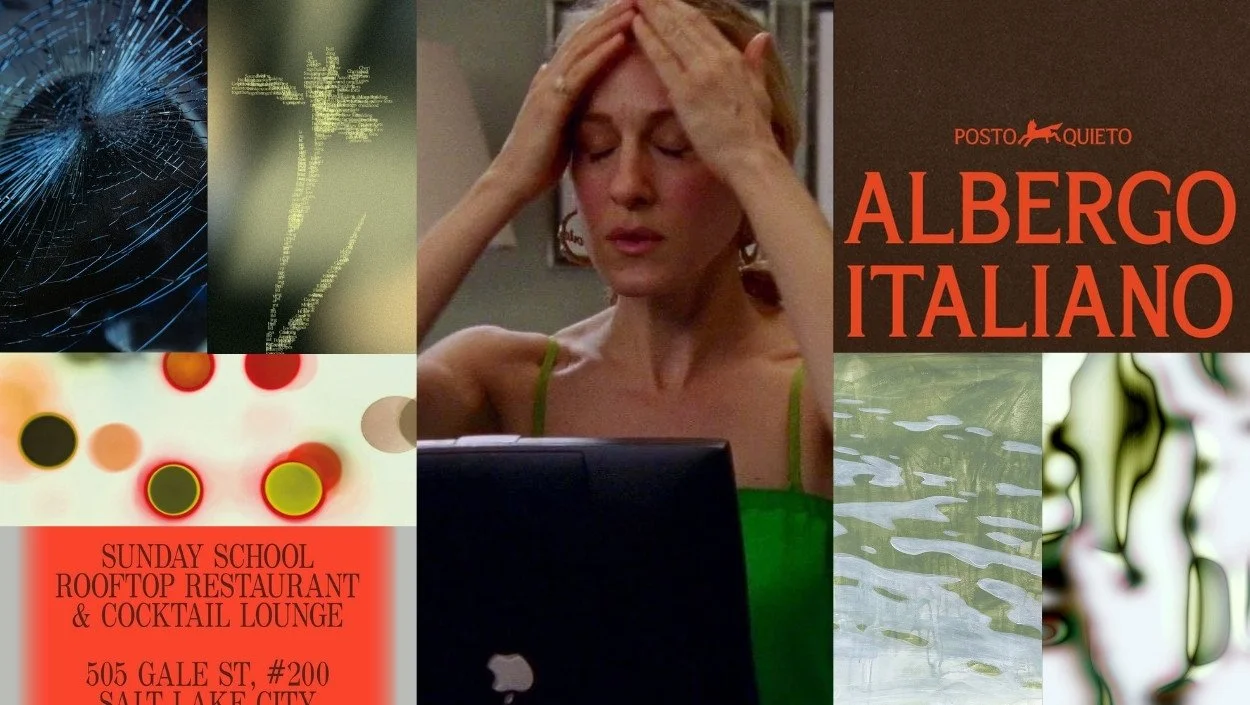
When the Creative Well Runs Dry (And You're the One Who Drained It)
One day you'll sit in front of a blank Illustrator file, cursor blinking, and feel absolutely nothing. Just a sort of beige, fluorescent-lit nothing.
After 10+ years in brand and design, I've been there more times than I'd like to admit. The cruel joke is that the more you've built your life around creativity, the harder it hits when it dries up.
Creative burnout isn't the same as being tired. It's more like your brain has hung a "Gone Fishing" sign on the door with no plan for return.
The usual advice (go for a walk, make a mood board, get inspired) can feel genuinely offensive when you're in it. So here's what actually helps. ↓
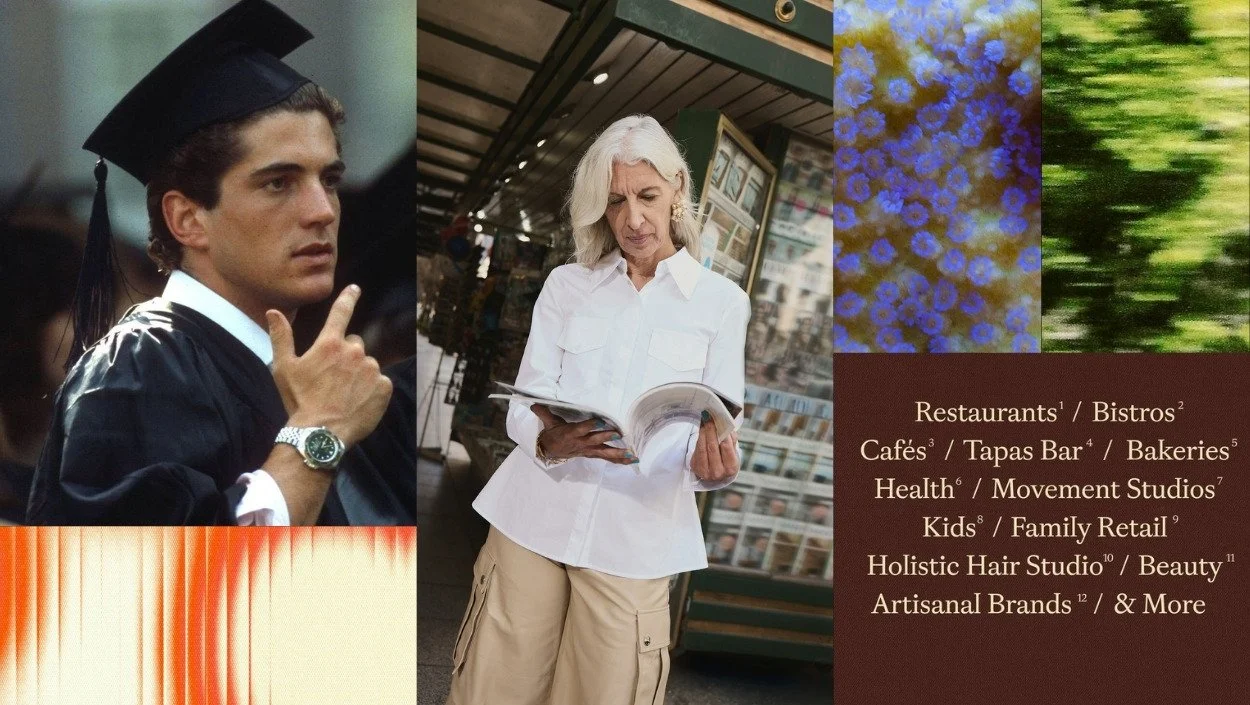
The Long Way Around
For a long time, I was embarrassed by how much I'd moved around in my career:
Design school > Studio > Freelancing > In-house marketing for an artist > Agency > Back to a studio again
It looked scattered from the outside, and for a while, it felt that way from the inside too.
But what I'd been reading as a lack of direction was actually the education. Every environment showed me design from a different angle—as craft, as service, as business, as brand, as output. And slowly, all of those angles started to make sense.
What I now have is clarity about design as a business, how to build and operate, how to talk to clients, and when to walk away from them. I now understand what's actually profitable versus what just feels productive.
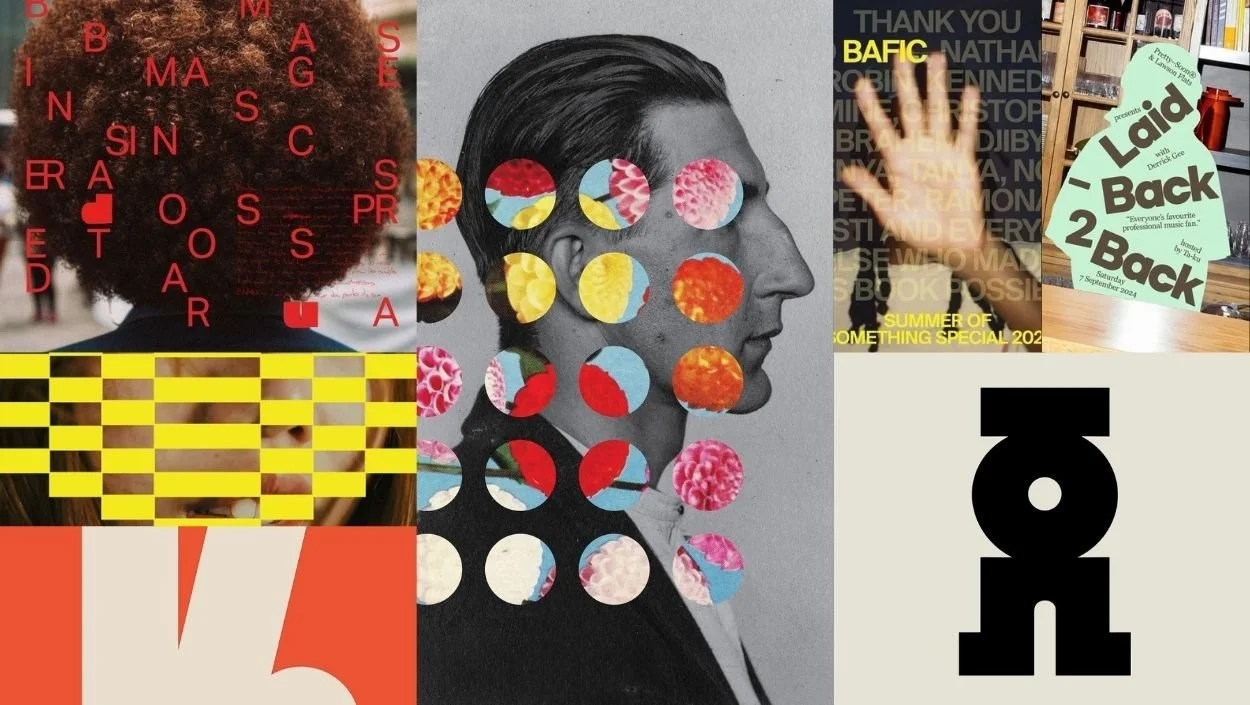
Why Design School Isn't the Only Path Anymore
Years ago, in my first week at a design internship, an art director handed me a brief for a t-shirt. I spent a full day on it and came back with hand-drawn sketches.
She looked them over and said, "Those look great... but why didn't you start on the computer?"
I felt embarrassed, but I was just following my training. That moment showed me that there was a real gap between what was being taught in school and the pace at which a working studio actually operates.
Nothing closed that gap faster than real feedback, rather than a letter grade.
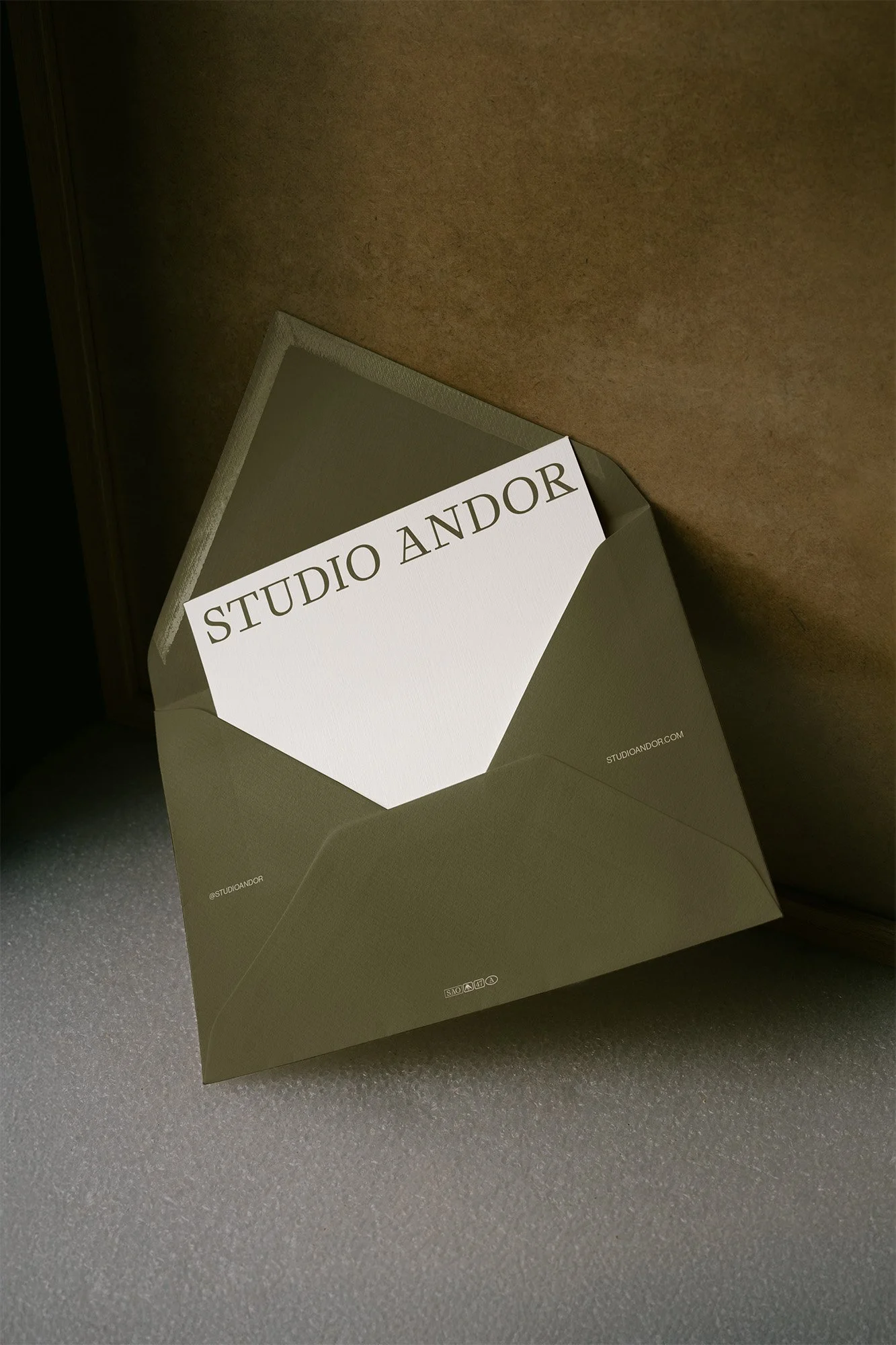
STUDIO ANDOR Brand Reveal
In a crowded market, true distinction is not just seen; it commands attention. STUDIO ANDOR transforms your unique vision into an authoritative and unmistakable brand presence. We distill your essence into a cohesive and compelling identity that doesn’t just stand out but confidently leads, setting a new benchmark for prestige and recognition within your industry.
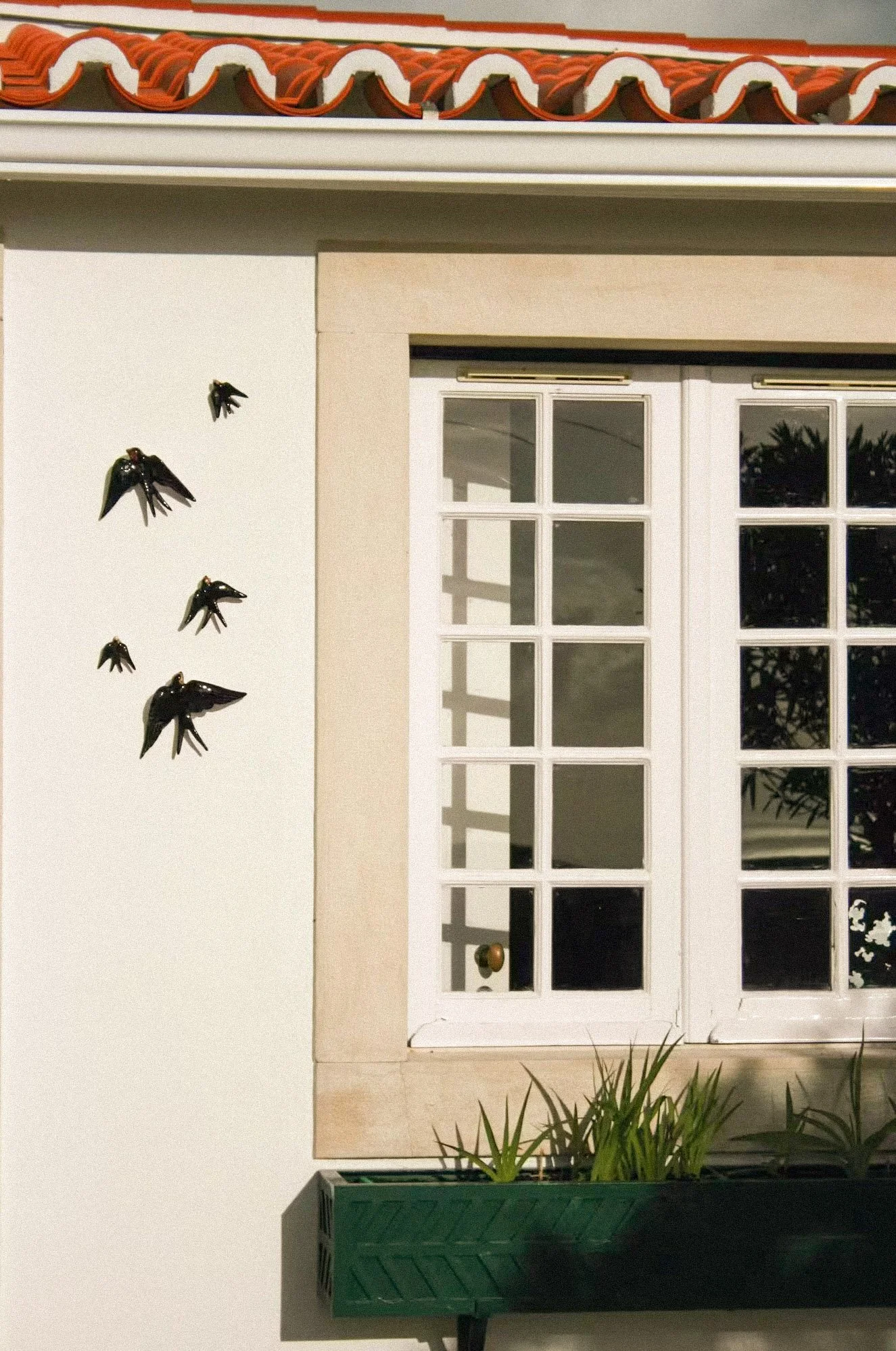
The Spirit of Andor
You might have noticed that things look a little different around here. This summer, I took a holiday to hone in on the essence of this studio. I’ve been in the branding business for over 11 years, but oftentimes, while I would painstakingly craft bespoke and strategic brands and websites for my clients, my own branding slipped through the cracks. So this summer, while living in Lisbon, I decided to take a dedicated work retreat in Lake Como. The plan was simple: hole up in a rental a la “The Holiday”, sip bottled Aperol spritzes, unwind by the pool, and spend my afternoon hours researching and discovering who this studio really was.

Print vs. Digital Branding: Why Luxury Brands Still Need Both
In today’s digital-first world, it’s easy to assume that print branding is becoming obsolete. However, for luxury brands, the most memorable experiences often come from tangible, high-touch moments. A well-executed brand strategy seamlessly integrates both digital and print—leveraging the power of technology while maintaining the exclusivity and sophistication that luxury consumers crave.
