

Before You Open Illustrator / Figma, You Need to Have This Conversation
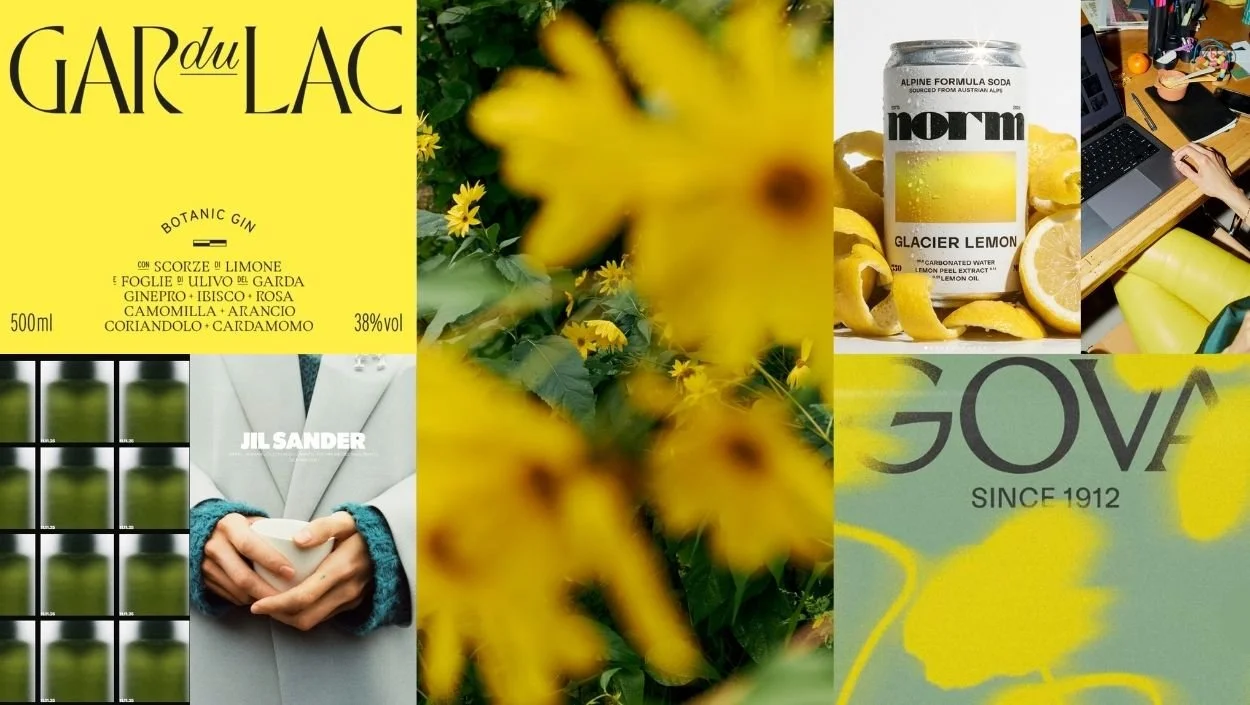
A new client came across my (virtual) desk, and I was pretty excited. I saw the loose moodboard, I read the light brand brief, and I had a picture in my head before I ever got on the call with her.
The name alone painted it: Single MILF Pod. A woman’s podcast. From what I guessed, it’s probably going to be raw, a little edgy, maybe some men-are-the-worst energy.
I wasn’t completely off base, but I definitely didn’t have the full picture.
Reading an intro email is a lot like seeing/stalking someone on socials before you meet them in real life: you build a whole model of who they are from curated photos and the way they project themselves. You’re pretty sure you’ve got them nailed. But then you actually talk to them, and they say something or hold themselves in a way that quietly reorganizes everything you thought you knew. Maybe they're more quirky than they let on. Maybe they told a sincere story you didn’t expect. There’s something three-dimensional and honest when you encounter them, a vulnerability that reframes the whole thing. Suddenly, the polished version and the real version are standing side by side, and the gap between them is exactly where the interesting design work lives.
That gap is what the strategy call closes. It makes the experience more human.
It’s a Conversation, Not a Questionnaire
I want to say that upfront, because I think a lot of designers (myself included, for a long time) treat the discovery process like a form to get through. You send the client a brief, they fill it in, you read it, and you start designing. Sometimes that works well enough. But well enough is doing a lot of heavy lifting in that sentence.
The strategy call is different. Yes, I have a document that keeps us on track and makes sure I leave the conversation with what I actually need. But the call itself is just that: a conversation. I’m asking questions, but mostly I’m listening (channeling my inner therapist/talk show host). What I’m listening for is what they keep coming back to, where their voice changes, the moments they stop describing their brand and start talking about their life, because that’s almost always when the interesting stuff finally shows up.
With this client, that moment came when she started talking about her grandmother.
The Story That Changes Everything
Lucille was 93 years old. A single mother of two who, decades ago, bought all of Bowen’s Island on her own. She is the kind of person who would talk to a total stranger in the grocery store for twenty minutes and come home full of their story. A woman who planned her own funeral, threw it while she was still alive, and called it “the Cillebration.” She sounded awesome, and I’m really bummed I never got to meet her.
The podcast (Single MILF pod) will be filmed on Lucille’s screened-in porch. The host is starting this podcast partly to continue the legacy of her late grandmother, the ultimate “girls’ girl”.
Now. If I had just read the intake form and opened Illustrator, I would have designed something competent. Bold, probably. A little provocative. Something that matched the name. But I would have missed the soul of it entirely: the part that makes this brand actually mean something. Because this isn’t just a podcast about single motherhood, modern womanhood, or any one thing; it’s a woman carrying forward a matrilineal line of women who did things differently. Who told the truth when it was unglamorous. Who showed up for each other. Who absolutely refused to be handled.
You can’t design a legend from a questionnaire. You have to hear it spoken and catch the vision. Passion is pretty hard to communicate over email.
And here’s what gets me about that: my client didn’t lead with Lucille. Lucille came out in the conversation, the way the best things usually do: sideways, unprompted, in the middle of talking about something else. That’s the stuff that a brief template will never catch. That’s the stuff that makes the difference between a brand that looks right and a brand that feels true. Now, I want to make sure the brand makes her grandmother proud.
What You’re Actually Listening For
There’s a version of the strategy call where you’re just gathering information. And then there’s the version where you’re actually doing strategy, which means you’re synthesizing everything you hear into a direction before you’ve shown a single concept.
A few of the questions I move through (and what I’m actually trying to surface with each one):
“Who are you, really, and where did this come from?” This is the origin story question. Not “what does your company do,” but why does this exist? The answer usually contains the brand’s emotional core.
“Who is your anti-persona? Who is this specifically not for?” Clients light up on this one in the best way. Knowing who you’re not talking to is just as clarifying as knowing who you are. (And the specificity of the answers is always a little hilarious.)
“What are the three most common misconceptions about your brand right now?” This one will tell you more than almost anything else. The misconceptions are the gap between what the client is actually building and how the world is receiving it, and that gap is exactly where your design work needs to do its job. P.S., if their brand/business is in its infancy, ask what common misconceptions might be about that product/service/their competitors.
“If your brand were a person, who would it be and what is that person carrying?” I usually make people get suuuuper specific on this one. This question carries a lot of gems. What are they wearing? What do they do in their downtime? What are they passionate about? Where do they spend their money…
“When someone walks into your space (or if you imagine your product/service in a space), what’s the first thing they smell and the first sound they hear?” I know this sounds abstract. I promise it isn’t. Sensory answers tell you things about a brand’s feeling that no adjective list ever could.
These aren’t magic questions. Some of them, believe me, are pretty cut and dry. But when you ask them out loud (even if you think you know the answer), this creates a conversation with your client where they get to say the “business answer” and then off script. And that second part is the whole point of the session.
Why This Puts You in the Driver’s Seat
Without the strategy call, you get a one-dimensional version of what you think this person wants, based on what they were able to articulate in a form. And most clients (no shade, it’s just true) don’t have the language to fully explain what they want. They’ll show you a mood board that points in six different directions. They’ll give you adjectives that contradict each other. They’ll tell you they want something and leave you to figure out what that actually means in practice.
The call is where you figure that out together. And more than that, it’s where you become the one doing the figuring, not them.
When you’ve heard the full story, when you understand what this brand is actually for and who it’s really talking to and what it needs to feel like on a Tuesday morning when the client is having a bad week, you can take the wheel. You stop executing what they asked for and start delivering what they actually need. You present your direction with confidence because you built it from something real, not from assumptions.
And here’s what I’ve noticed over and over: when clients feel genuinely heard in a strategy call, they trust the work. They don’t pick everything apart in the presentation because they can feel that you were paying attention. They sit back. They let you lead. That’s the relationship you want, and the strategy call is where it starts.
Bonus: the cleaned-up version of what I take from this conversation isn’t just notes, but a full brand strategy document. This contains the Founder's story, market position, and competitive landscape, and visual direction options with specific recommendations. That document becomes the foundation for every design decision that follows. It also becomes something the client keeps, something they reference, something that makes the whole engagement feel like oh, this is what it’s supposed to be like.
Thanks for subscribing to the MDA! You’re in for a treat.
