

That Pinterest Board They Sent You? That's Not the Brief.
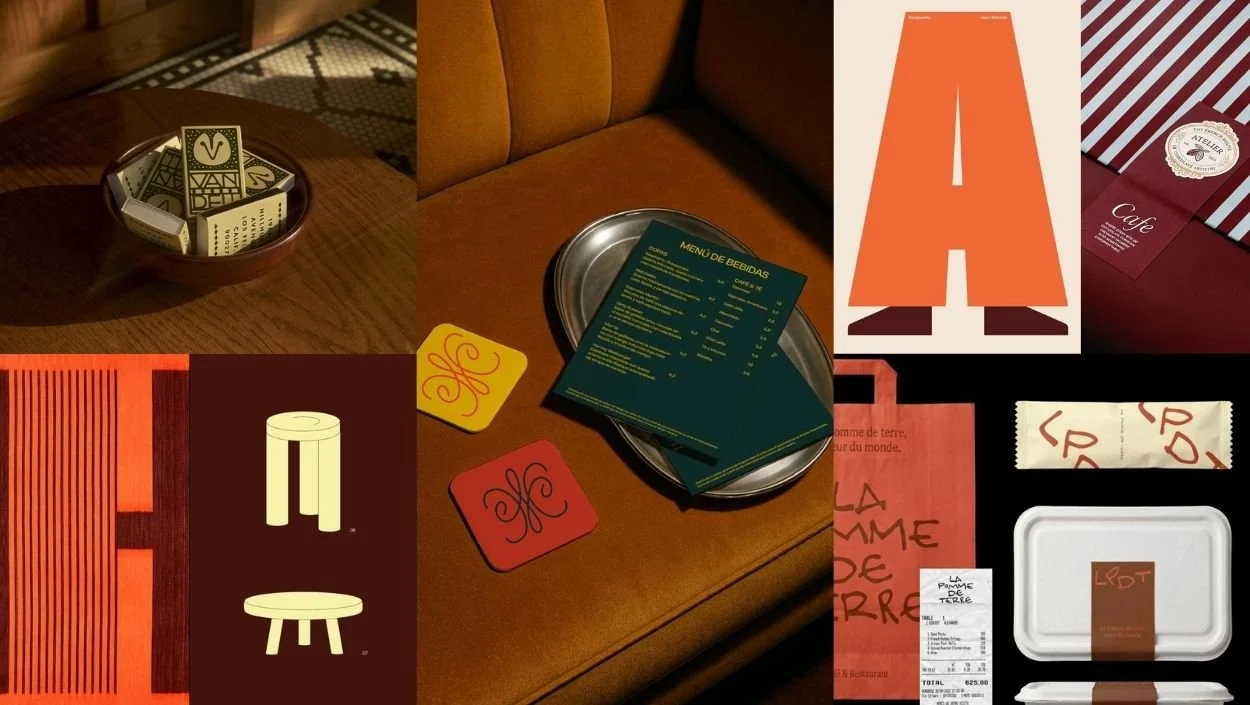
Picture this, you’ve got an email from a potential client (!!) Somehow, someone finds you. Maybe it was through a referral, or SEO, or Instagram, or a friend of a friend who swore you were the person to call. And they reach out with something like this:
Hi! I’m opening a restaurant in the spring, and I need branding. Here’s my Pinterest board (link).
Aaaand that’s the brief.
Not a lot to go off of, right? I mean, their Pinterest board might be loaded with images, but how do you know enough to actually tackle the project?
But that’s normal. They don’t know what they don’t know. They’ve never hired a brand designer before, or if they have, nobody ever told them what information is needed to get this process started.
Instead of referring to the initial client email as a brief, I prefer to see it as an invitation. The brief marks the start of the project, but the strategy session truly signals the beginning of the work.
Most designers read that email, maybe fire back a few questions, get a couple more vague answers, and then start designing. And for a while, it feels fine. The work looks fine. Until the presentation, when there’s this flicker. You can feel it before anyone says a word. The client is nodding, but you can tell that nothing is landing. Something is off, and nobody can quite name it. While they may have greenlit everything over email, something got lost in translation.
That’s because you didn’t have a solid enough foundation to start building yet. And what often happens is that you have to dismantle the design again and again until someone is satisfied enough to send you that final paycheck.
I know this because I have done it. I’ve jumped ahead, pulled a moodboard together, started sketching out directions, all on the basis of a vibe, a Pinterest board, and a general sense of where I thought things were going. And every single time, I ended up in a presentation standing on shaky ground. When a client pushes back and asks you to explain a choice, “I thought it felt right for you” is not a strategy. It’s a guess. You can’t defend a guess.
The work that holds—the work clients get on board with quickly, that they feel genuinely proud of, that grows with the brand over time—always comes from a foundation built in conversation. Not in email. In a room (or virtual room) together, actually talking.
Here’s what a strategy session actually does.
There are two layers, and you have to move through both.
The first is tactical. Who is the customer? Where are they located? What’s the price point? How does the brand plan to bring in new clients? Is it by word of mouth, social, walk-in traffic, referrals, or all of the above? How are people finding out about them right now? What does the landscape look like, and where do they sit inside it?
These are not creative questions. They are business questions. And designers who skip them are going into the work missing half the map.
The second layer is the soulful stuff. How do you want people to feel when they encounter this brand? What words would make you cringe if someone used them to describe you? If this brand had a voice, what would it sound like? Walked into a room, how would it dress? This is where you figure out the personality: the tone, the texture, everything. THIS informs the typeface decision, the color story, and the way the copy talks to people. You cannot make those calls in a vacuum of emails and expect to be right.
(I also always figure out the persona of who’s using the product AND the persona of the actual brand. What they look like, what they sound like, what they do on a Sunday, the kind of job they have, the kind of car they drive. Personifying the brand is essential. We’ll get back to this.)
My favorite question to ask in a strategy session is one that sometimes makes clients a little nervous at first. I always save it for the end, after we’ve moved through all the tactical stuff and they’ve loosened up a bit. Here it is:
If your brand were a person, who would they be?
Is it the cool aunt? The one who’s always just back from somewhere interesting, who brings you strange little gifts and has stories that go slightly too long, who’s a little chaotic and a little unpredictable but somehow exactly who you want at every dinner table.
Is it the comforting grandfather? The one who doesn’t need to say much. Whose presence alone is the whole point. Who has seen enough to be steady in a way that makes everyone around him feel held.
Is it the kid sister? Bubbly, full of energy, a little cheeky, a little brash, always the one who knows how to make the room more fun, even when nobody asked her to.
On the surface, it looks like a creative exercise. And don’t get me wrong, it’s a fun question. But there is so much richness in this single question. Once a client can picture the person their brand would be, every single downstream decision has a reference point. Type choices, color choices, the way the copy talks to the customer… it all comes back to that person. And when I can bring that persona back in a presentation—when we talked about the cool aunt in our strategy session, I wanted that energy to come through in how the wordmark sits—something shifts. The client stops evaluating the work and starts recognizing themselves in it.
They were part of it, and I was listening. In a sense, it’s hospitality, and that lands differently than you’d think.
Here’s the other thing strategy sessions do that nobody talks about enough.
They’re where the passion lives.
You get to hear WHY someone is actually doing this. The story behind the product. The years of thinking about it, the moment it went from a vague idea to something they were going to build for real. When a client lights up talking about that—when they stop listing deliverables and start telling you what this thing actually means to them—everything in the conversation changes.
This magical moment is when the conversation stops feeling like an exchange of goods and services and becomes a collaboration. For your client, their brand is their baby. Once you understand that, you handle it differently. You bring a different level of care. You want them to win, not just because they’re paying you, but because you know what’s at stake for them and they’ve let you in on it.
My creative process goes deeper when I understand the person behind the product. The stakes feel real because they are.
And none of that comes from an email. It doesn’t come from a Pinterest board. It comes from the conversation you take the time to have before you design a single thing.
The brief is where the project starts. The strategy session is where you find out what you’re actually making, and who you’re making it for, and why it matters to them.
Read the brief. Then go find the real one.
Class dismissed.
The kind of strategic thinking this essay is about (what questions to actually ask, how to structure your own discovery process, how to translate everything from the strategy session into a concept that lands) is exactly what we work through inside The Collective. Link in the comments.
