

The Most Valuable Skill in Design Has Nothing to Do With Design
A note before we start: this post will ask you some questions. Real ones you’re going to need to sit with. Don’t be scared!'
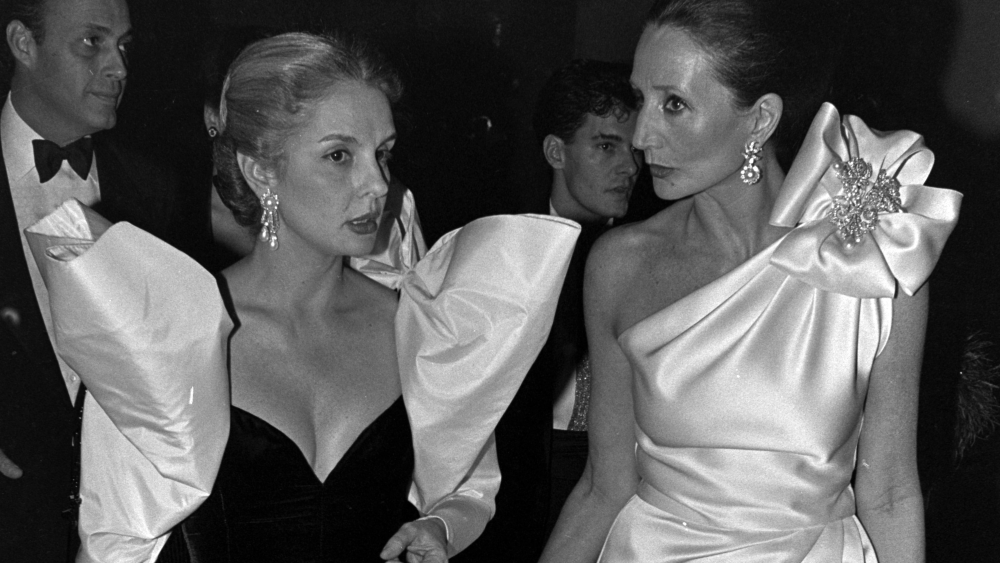
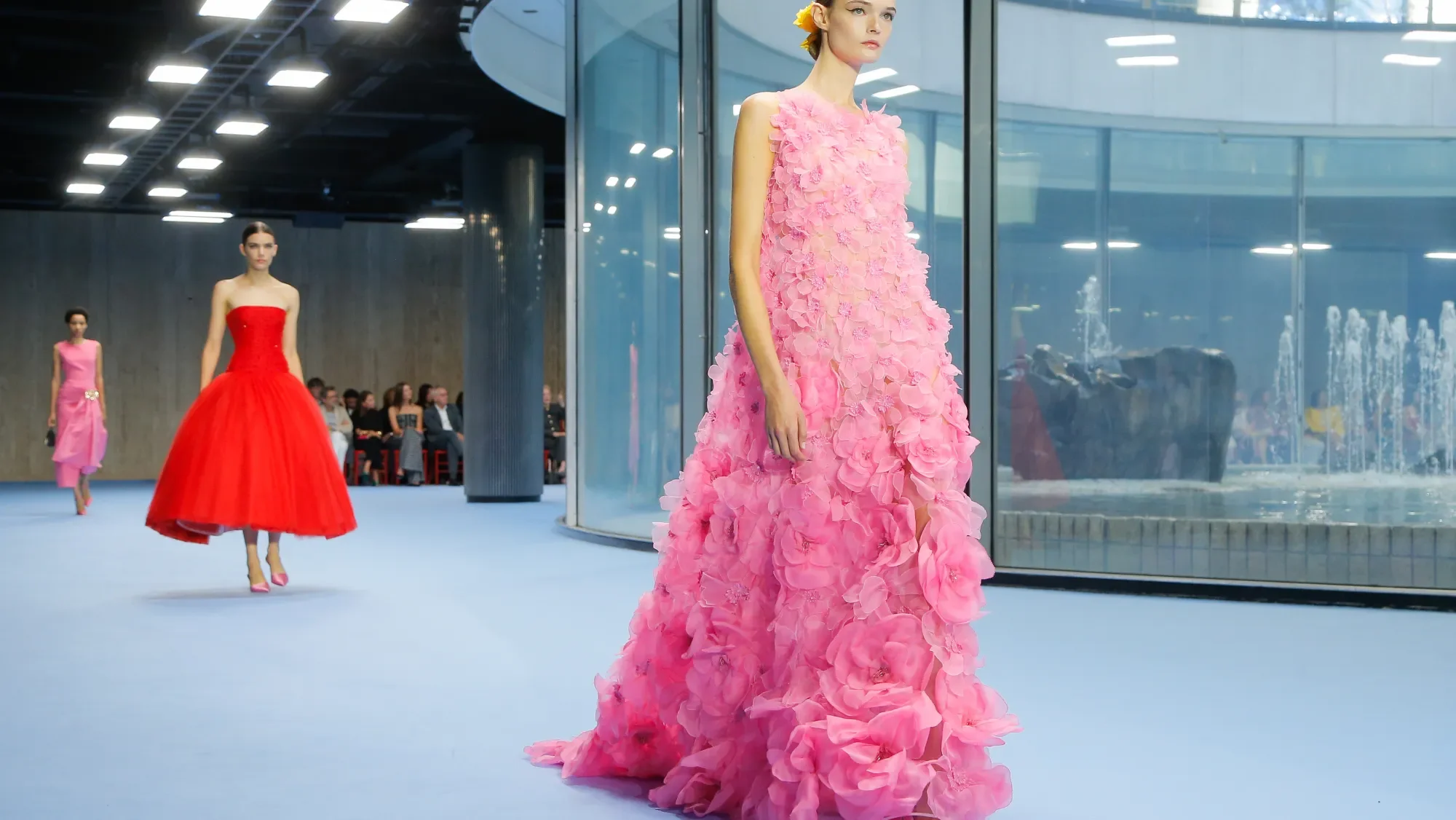
In sixth grade, I wrote a report on Carolina Herrera. I chose her because I recognized her name from the perfume bottle that lived on my grandmother’s vanity. I didn’t know anything about her or her work beyond that. While I researched, I learned something that struck me as odd: Carolina Herrera, one of the most influential fashion designers of the twentieth century, does not know how to sew.
I remember that genuinely confusing me. How do you call yourself a designer if you don’t actually make the designs? The whole thing seemed like a technicality, like calling yourself a chef when someone else is doing the cooking. It seemed wrong…And yet, she is considered one of the most celebrated fashion designers.
What I didn’t understand yet was that my definition of what makes a designer was all backward. The designer isn’t necessarily the person holding the needle or the pencil. Actually, more importantly, the designer is the person with the vision for what the needle should sew: why, for whom, and what it should feel like when it’s done. Herrera’s contribution to every piece that left her atelier wasn’t the construction but the point of view, so refined and complete that the people around her could execute it faithfully. The garment was hers because the vision was hers. The seam was just one that anyone on her team could execute.
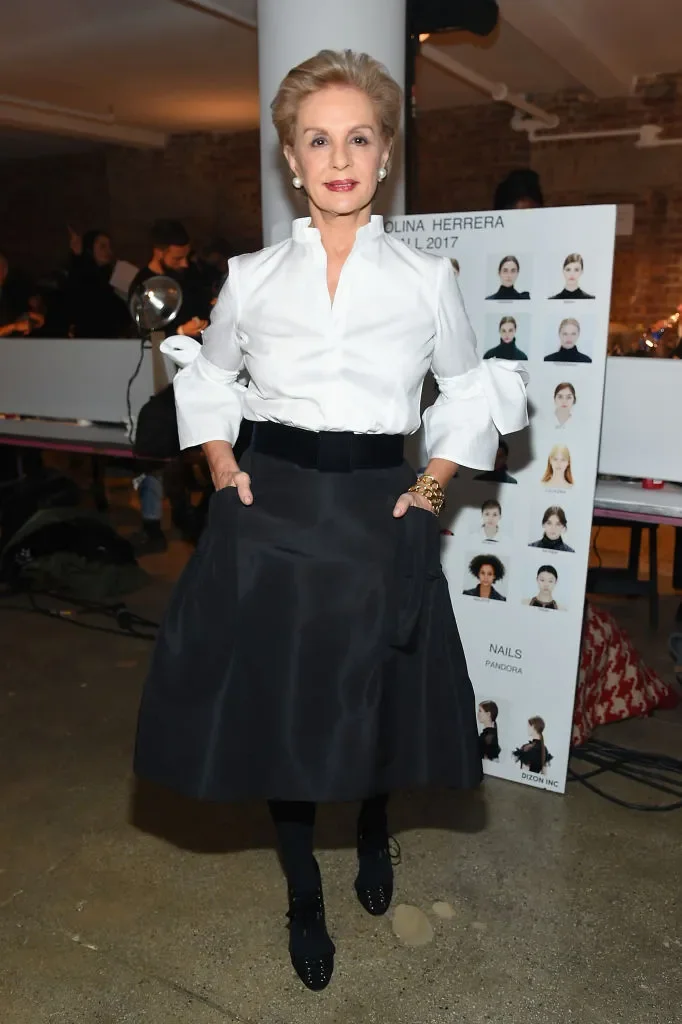
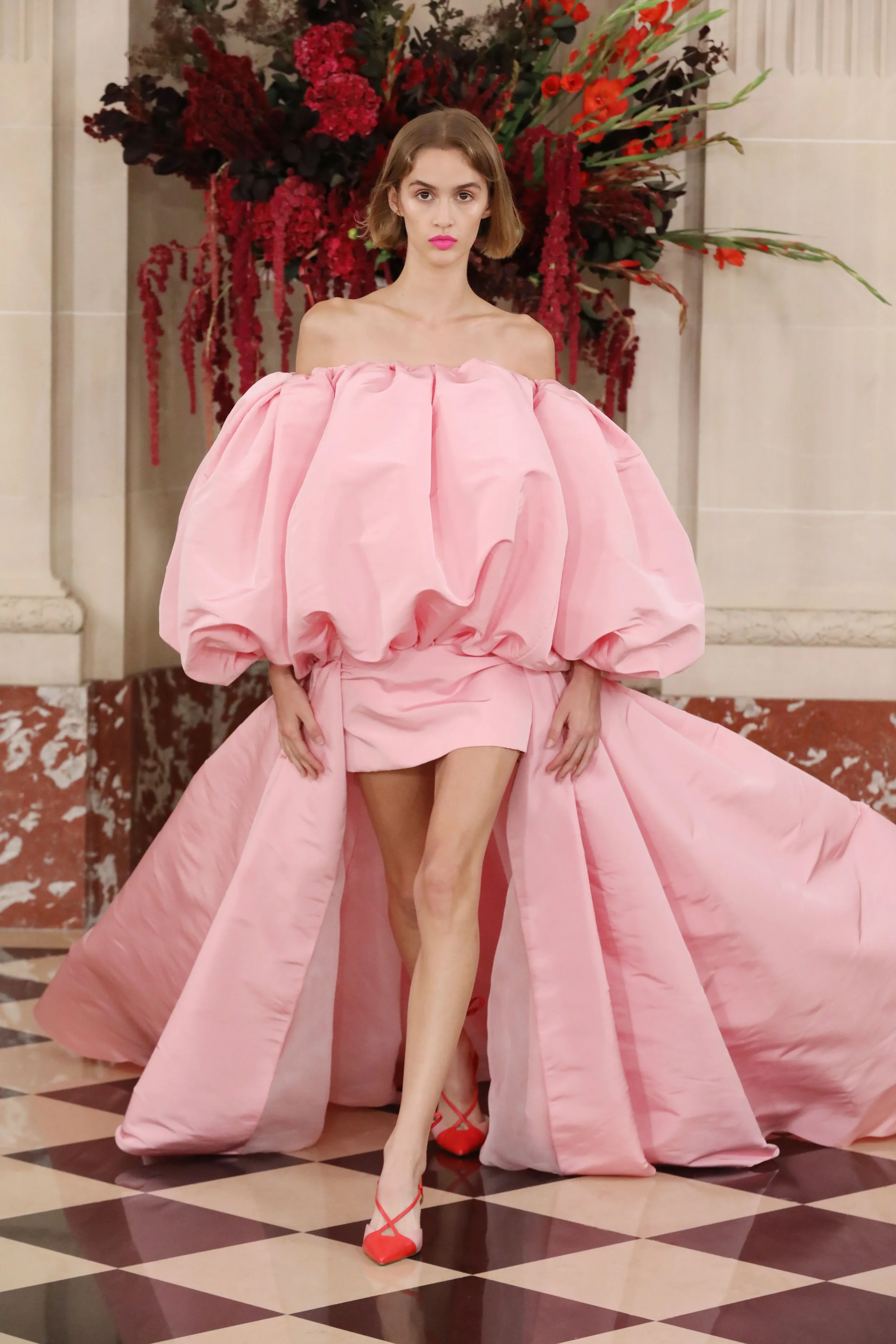
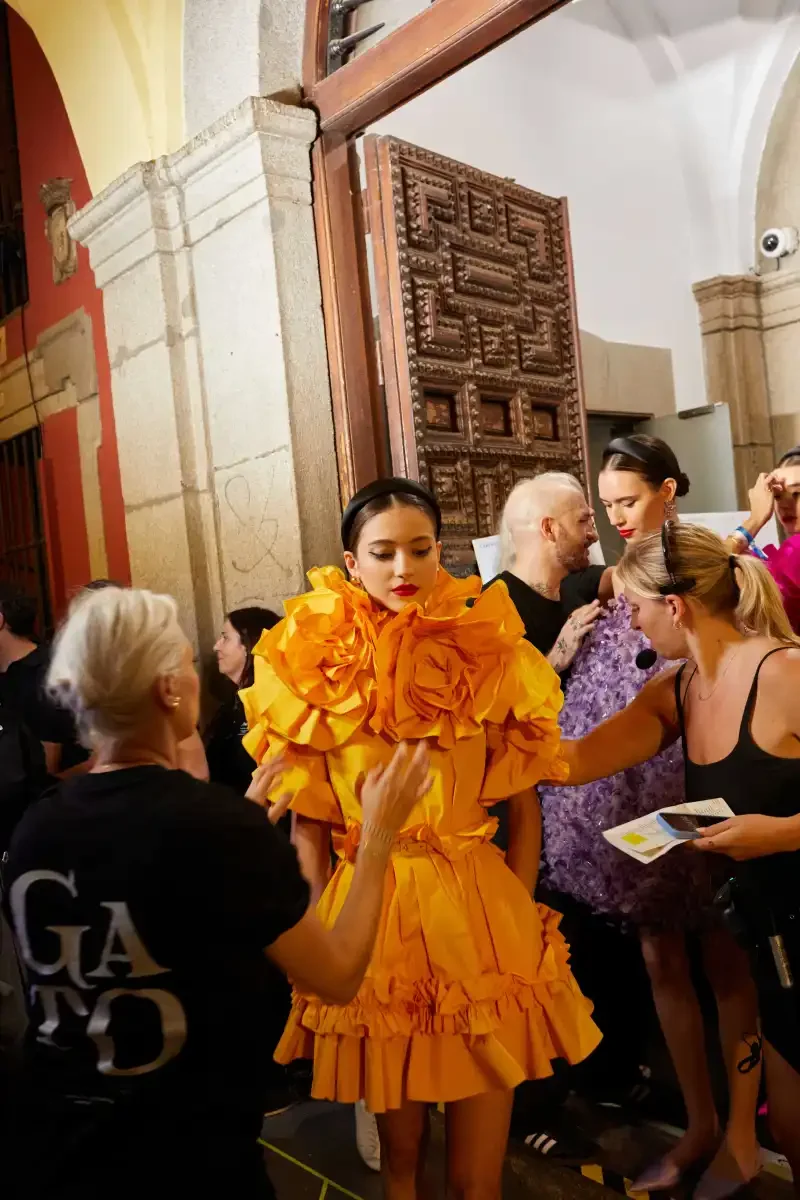

“You can go to fashion school and learn how to cut a pattern and how to sew, but if you don’t have the vision, you won’t know how to put it together.”
I’ve been thinking about this a lot lately, mostly because of Rick Rubin.
If you’re not familiar, Rick Rubin is widely considered one of the greatest music producers of his generation. He has worked with Johnny Cash, Jay-Z, the Red Hot Chili Peppers, Adele, Metallica....seriously, name someone in modern music history, and he might be the one responsible for their production. He is also, by his own admission, someone who cannot play an instrument, cannot read music, and does not operate recording equipment. What he has instead is an ear, an innate knowledge of what works and what sounds off. He has a point of view so deeply developed that artists who could do all of those things have consistently sought out a room with him in it, because his presence made the work better in ways that technical skill alone could not.
What I once thought of as an anomaly in the professional world is now becoming the model. We could learn a thing or two from Rick and Carolina.
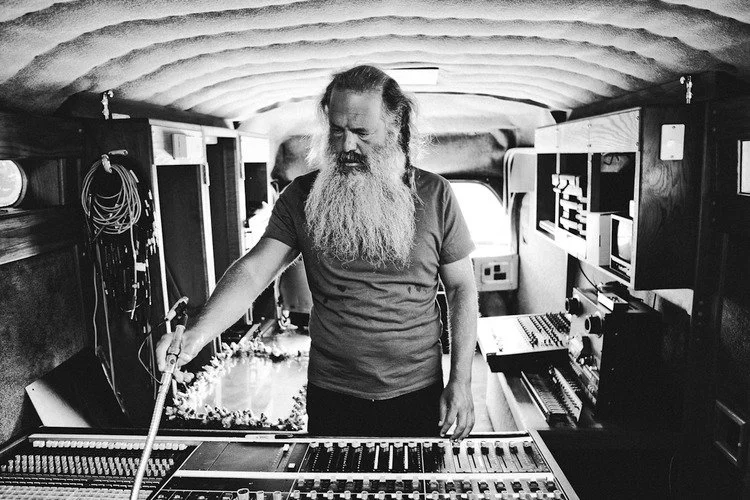
“I’m decisive about what I like and what I don’t like. The confidence that I have in my taste and my ability to express what I feel has proven helpful for artists.”
The Unbundling
For most of design history, taste and execution were bundled together by necessity. If you couldn’t kern type or create a bezier curve, you couldn’t really work. If you couldn’t operate in Creative Cloud or Figma, your ideas had a ceiling. Technical skill (and the required programs and schooling) was the price of entry, meaning that POV and craft were so intertwined that most designers never had to think about which was actually doing the heavy lifting.
AI (I know, I know, AI) is pulling those two things apart faster than most people in the industry are comfortable acknowledging.
The gap between learning a skill and having a skill has collapsed in a way unimaginable five years ago. Someone with no design training can now prompt their way to something that (by most surface measures) is competent. Your GPT of choice can create something balanced and aesthetically considered that will probably get likes.
But what it won’t have is a point of view. And that distinction, which used to be obscured by the technical barrier, is now the only thing that matters.
Beautiful and Wrong
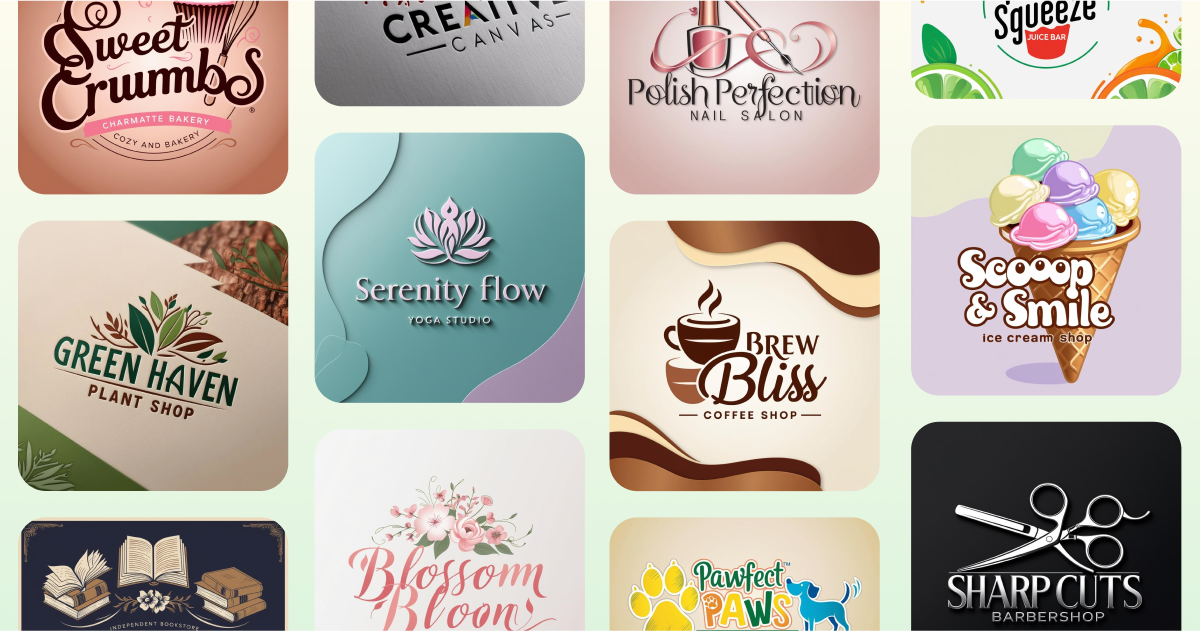
Here’s what I mean. Imagine someone sends you a brand concept. It has a creamy background, warm brown typography, grainy photography, and is soft, floaty, and very easy on the eye. The design is objectively pretty. It’s the kind of thing that would get saved to a mood board or rack up saves on Instagram without much effort. But when you look at it, it doesn’t feel special. It doesn’t answer any specific question or speak to anyone in particular. And when you think about the hundreds of other brands that look almost exactly like it, you realize that pretty isn’t the same as right.
AI is very good at pretty. It has been trained on an enormous amount of human visual output, which means it has developed a sophisticated sense of what tends to get positive responses. It can produce something that looks considered, intentional, even refined. What it cannot do is understand why a particular client needs to look nothing like that. It cannot feel the gap in a market. It cannot read the subtext of a competitive landscape and distinguish between signals that signal trust and those that signal noise in a specific context for a specific audience at a specific moment. It doesn't yet know what this brand needs to become over the next 10 years, nor which visual decisions will support or undermine that.
That knowledge isn’t in the prompt. It lives in the person reading the room.
Some Questions Worth Sitting With
Before we go further, I want to slow down and ask you something real.
When you look at a piece of work (whether it’s yours or someone else’s) and something feels off, can you name why? What is your “design conscience” telling you?
When a client sends you a reference image and your stomach drops a little, what is that telling you? What do you know in that moment that they don’t know yet?
Have you ever delivered something technically competent—something the client approved, something that looked fine—that you privately knew wasn’t actually right? What was the distance between those two things, and where did it come from?
I want you to actually stop and chew on these for a minute. It’s worth writing down and processing, because the answers are a map to what you actually believe deep down. The discomfort you feel when something is wrong before you can explain it is not a gap in your knowledge. It is your POV talking, operating exactly the way it’s supposed to.
When Someone Trusts Your Ear
I’ll be honest about something: I’ve had plenty of clients where the battle doesn’t feel worth fighting. There have been many times when I could tell they’d be happier if I gave them what they came in asking for, and the project would close more cleanly if I let it go. They don’t want POV; they want what they told me they wanted. I’m not above making that call for the good of the relationship and getting that final paycheck. Learning when to hang up your pride and finish the job vs. when to hold the line is part of working professionally. Anyone who tells you otherwise hasn’t been doing this long enough.
But here’s what I’ve noticed about the projects where someone does listen: a client trusts my instinct over their own, sets aside the reference they came in with, and follows my lead into something they couldn’t have found on their own. Those projects feel different. The work has a specificity to it that the other kind doesn’t. It holds up. The client, more often than not, later understands why it was the right call, even if they couldn’t see it at the beginning, and still maybe can’t articulate why.
That dynamic, where the client comes to you for direction rather than bringing you theirs, is the Rubin model. Instead of having him there to produce, he was there because his ear was the most valuable thing in the room and everyone knew it. When your clients trust your taste the way Rubin’s artists trusted his, the relationship to the work changes entirely. You stop being an executor and start being an author.
What Gets Lost in the Prompt
So what exactly is this thing that doesn’t make it into the AI output? What are you catching in the first five seconds that a generative tool cannot? I’ll tell you in plain English:
It’s the subtle psychology that signals what a visual decision sends to a particular audience in a particular context. This is how you instinctively know when a design reads as premium rather than gaudy, approachable rather than cheap, confident rather than try-hard. Design is virtue signaling in the most literal sense: it is a system of signals that tells people what to believe about something before they’ve had time to form a rational opinion. Understanding how those signals operate requires a kind of cultural and emotional fluency that goes well beyond what looks good.
The importance of context is also totally lost on AI. A mark that sings at full size can die on a hang tag. A color palette that reads beautifully on screen can go completely flat in print. A typographic choice that feels elevated in one context can feel cold in another. These aren’t problems you can solve with logic. You need real-world experience observing these things in the wild and cataloging how they are used. It requires being a human in the room.
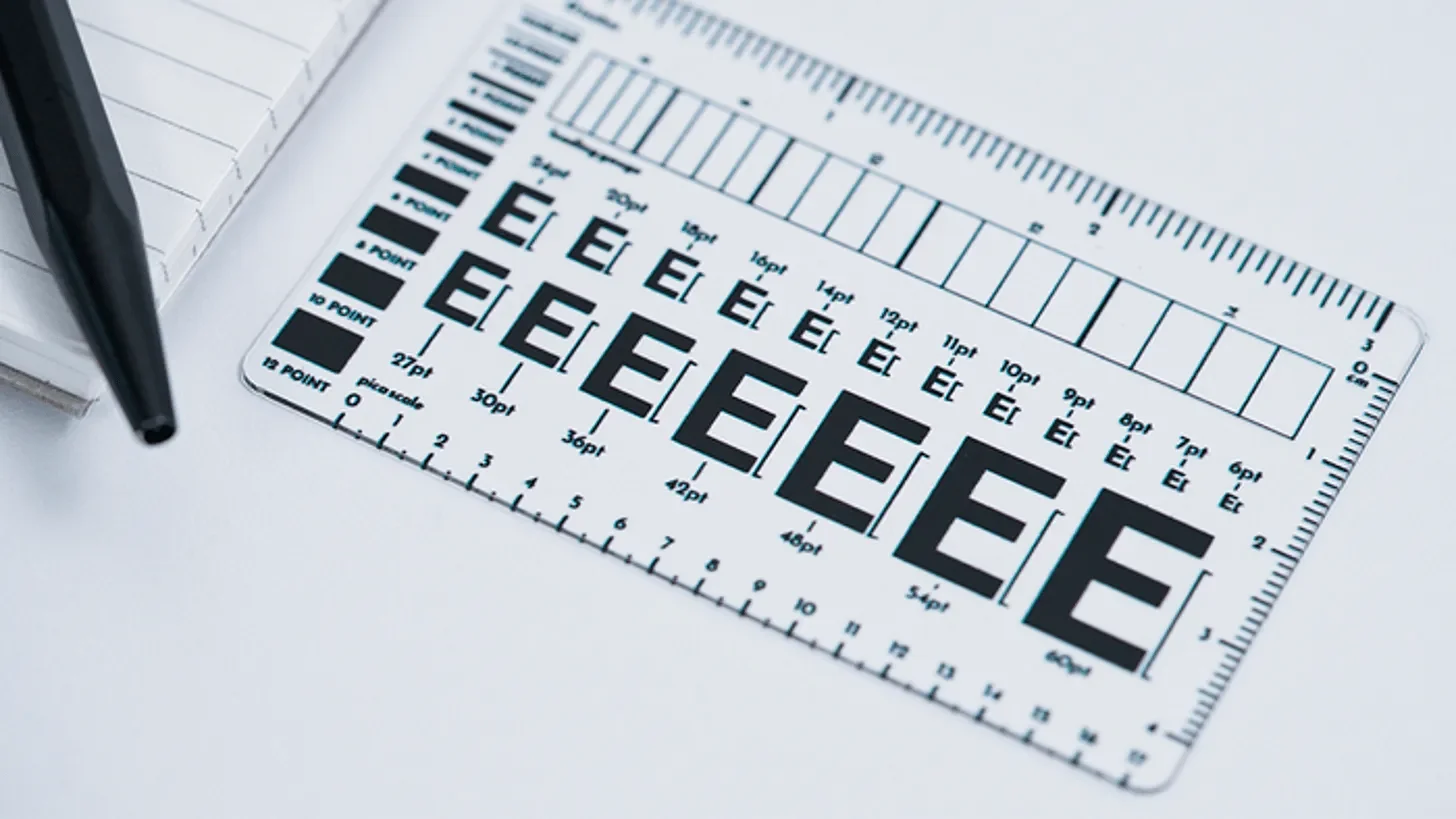
P.S., If you’re still figuring this out, go get yourself a typesetting ruler and start learning how designers size type and logos for different applications. I use these in packaging design constantly to see what sizes work in print.
The Tool Doesn’t Diminish the Vision
I want to be careful not to end this the way many of these conversations do, with some version of “Don’t worry! Your job is safe! AI is just a tool!” That framing misses the point and frankly underestimates what’s actually happening.
Because, whether you want to hear it or not, what’s happening is real. The technical barrier is coming down, and it’s not going back up. People who were coasting on execution, on the gatekeeping that came from being the person who knew how to use the software, are going to feel that. The margin for competent-but-generic is shrinking.
But here’s what I keep coming back to. When the internet arrived, people panicked in very similar ways. The access was too much, the noise was too loud, and the old rules no longer applied. And in the wake of all that disruption, some of the most genuinely innovative creative work of our lifetimes happened, because suddenly the people with real ideas weren’t held back by those who controlled the tools.
AI is the same provocation. The tool doesn’t diminish the vision. But it does expose whether you had one to begin with.
Carolina Herrera never picked up a needle. Rick Rubin never touched the board. What they had was something that no amount of technical training produces on its own—a point of view so developed, so specific, so entirely their own that the people around them could feel it even when they couldn’t name it.
That’s what this moment is actually asking of you. Take a deep breath because no one is asking you to learn faster, produce more, or keep up with the tools. Instead, look within and develop your eye until it’s the most valuable thing in the room.
Class dismissed.
This week's homework is to start asking yourself the hard questions. Get introspective with your design process. Reflect on the questions in this post and the previous post on POV (read it here if you missed it), and get locked in on what your POV actually is. As always, I’m more than happy to chat and help you figure this out in The Collective chat.
